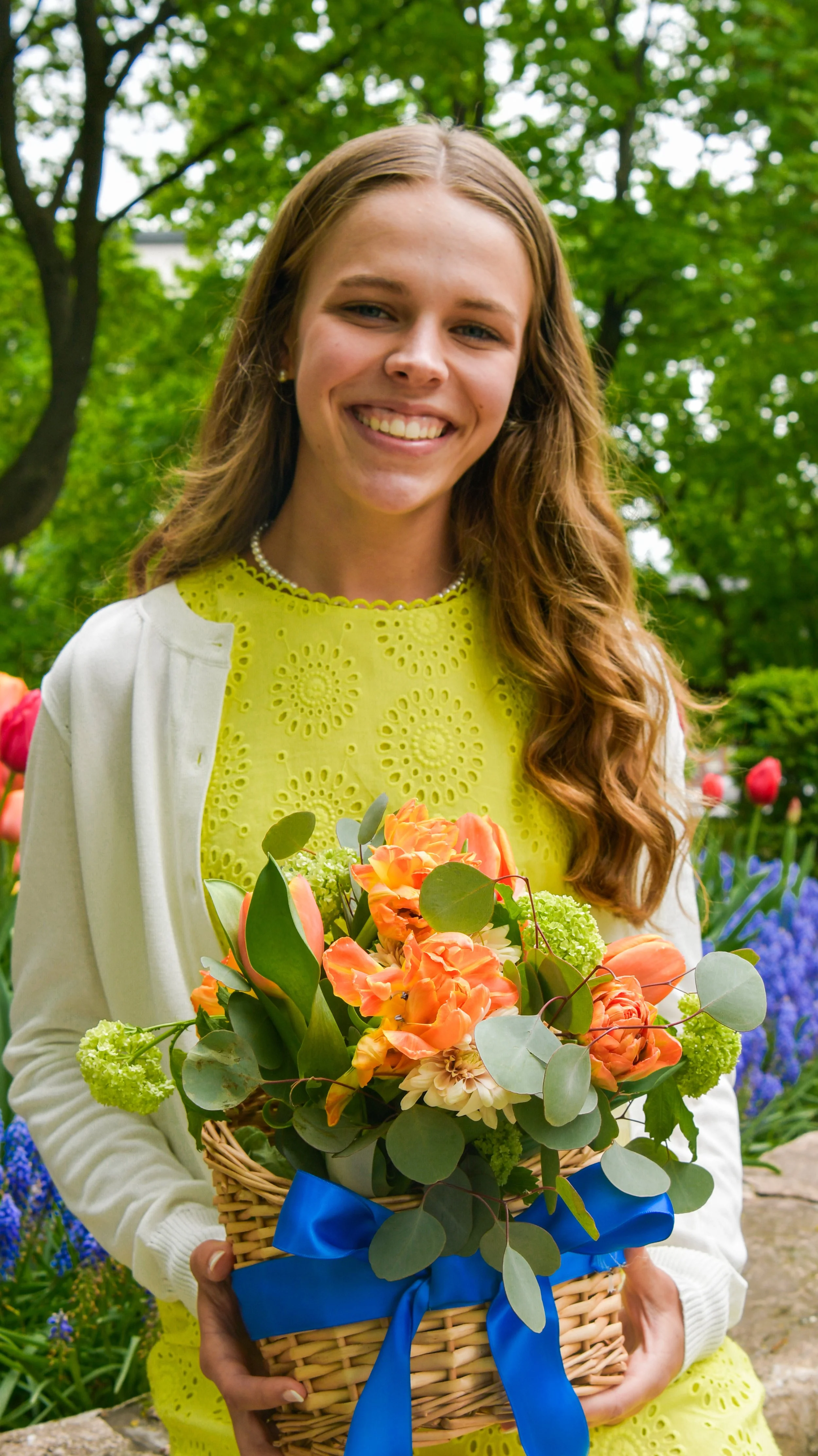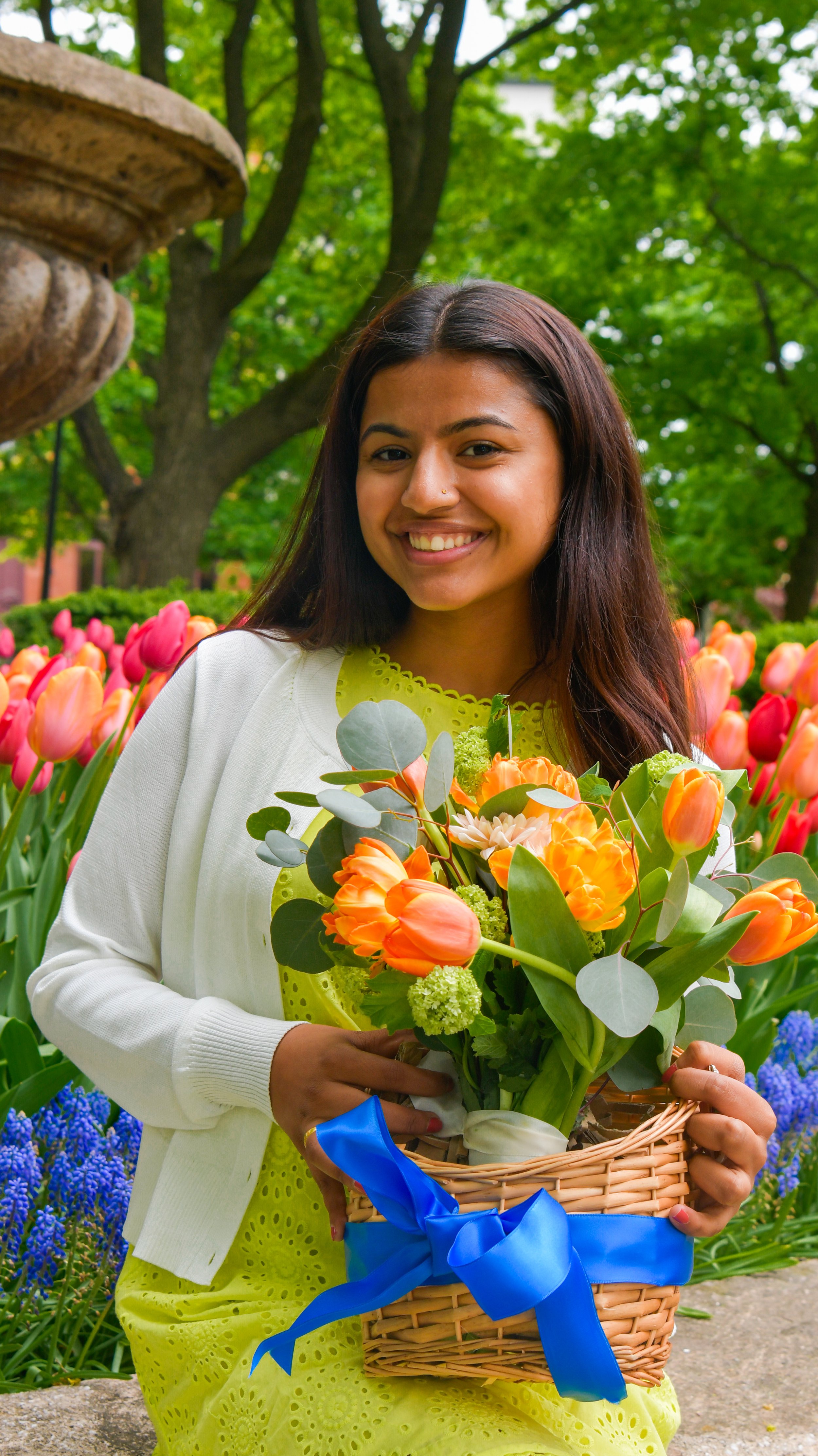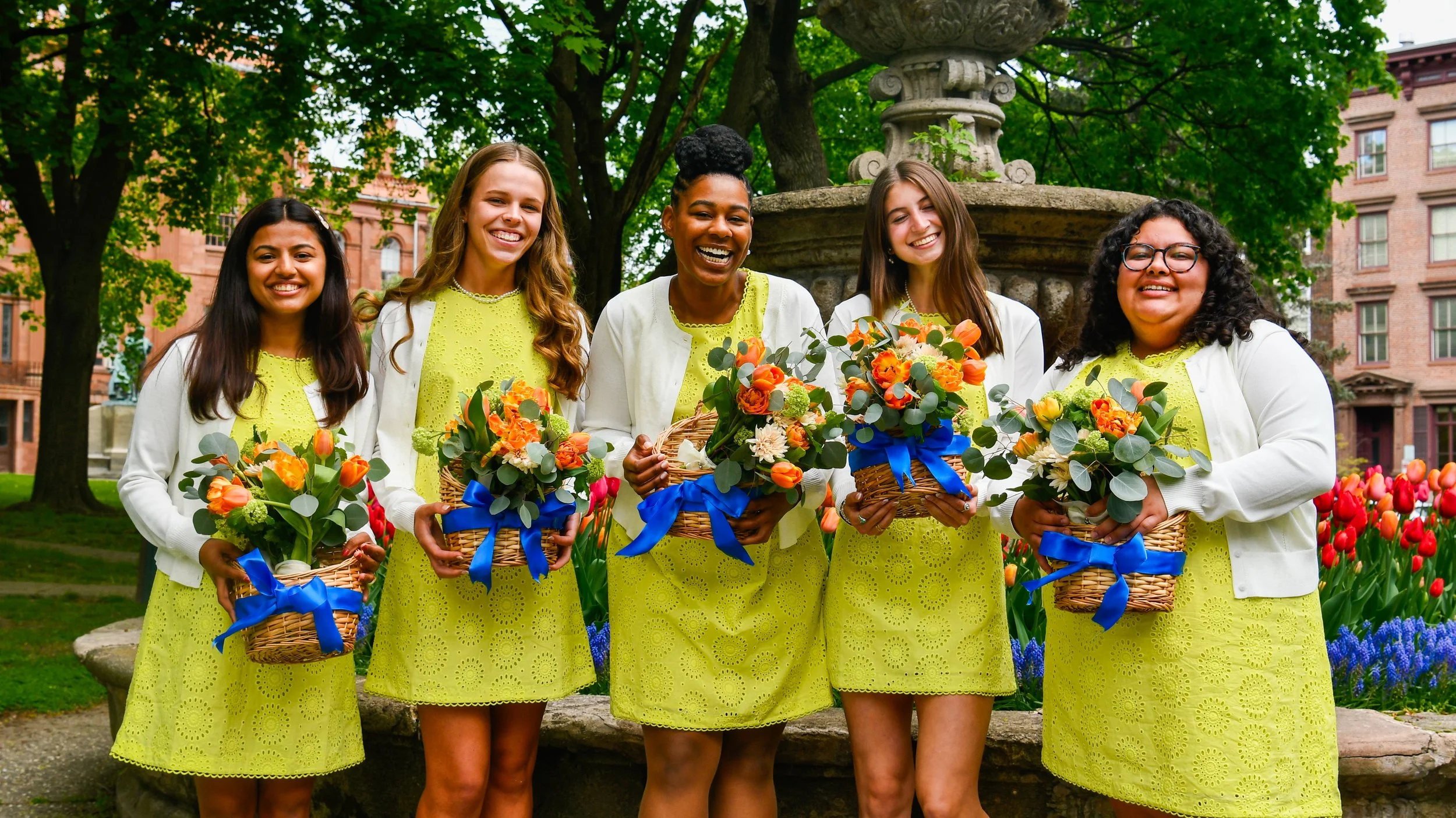
Tulip Court — Creative Introduction
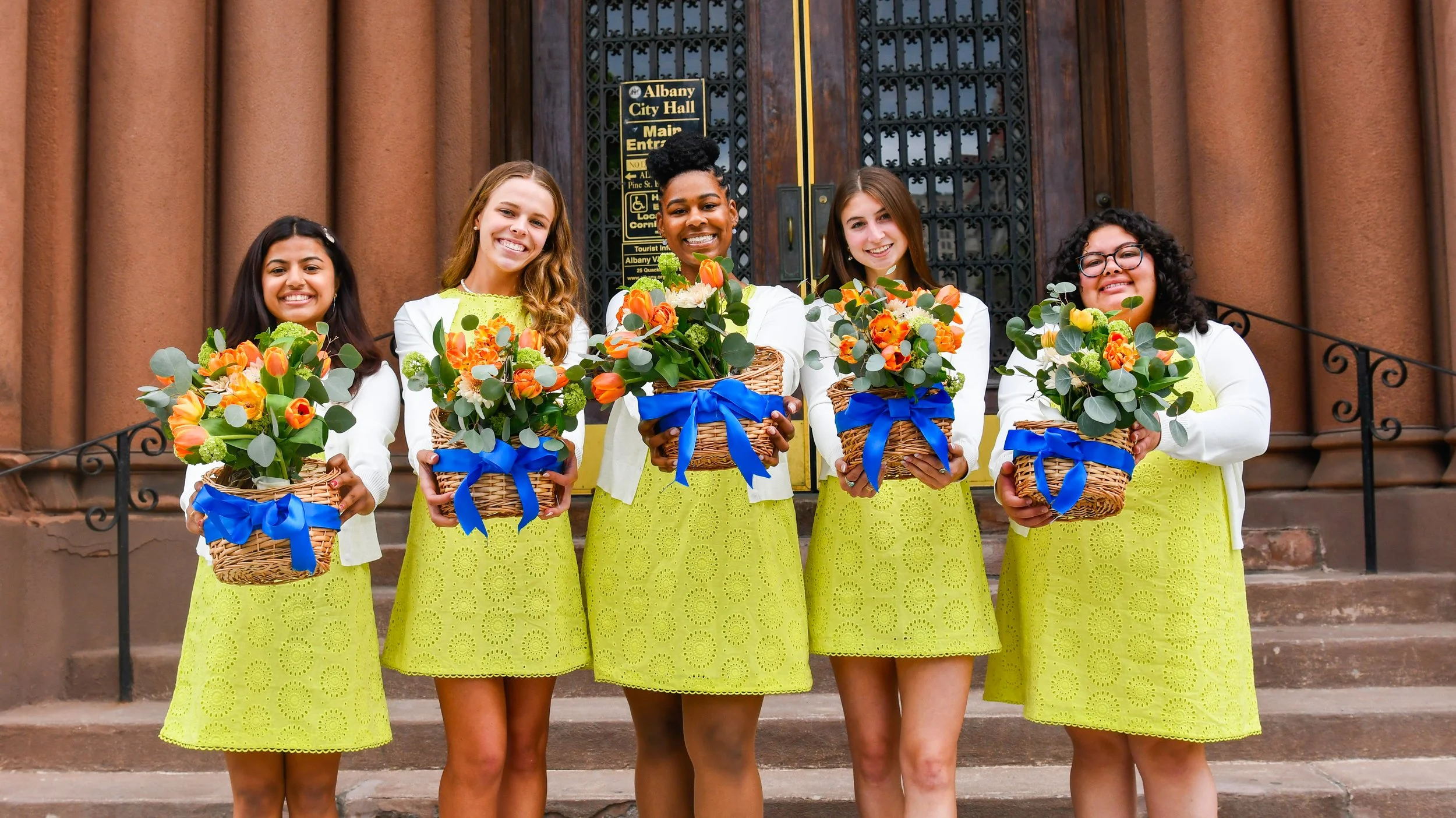
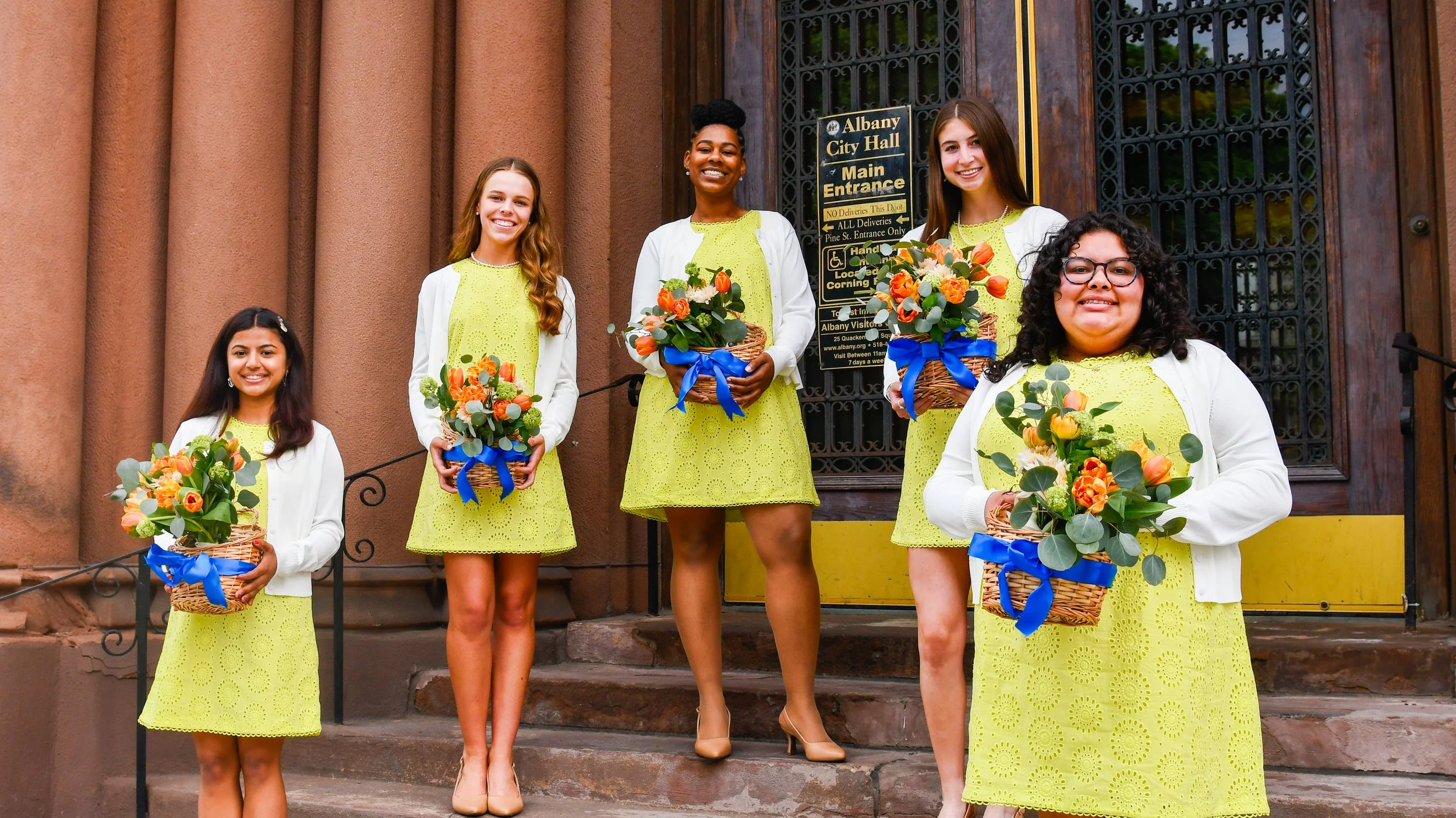
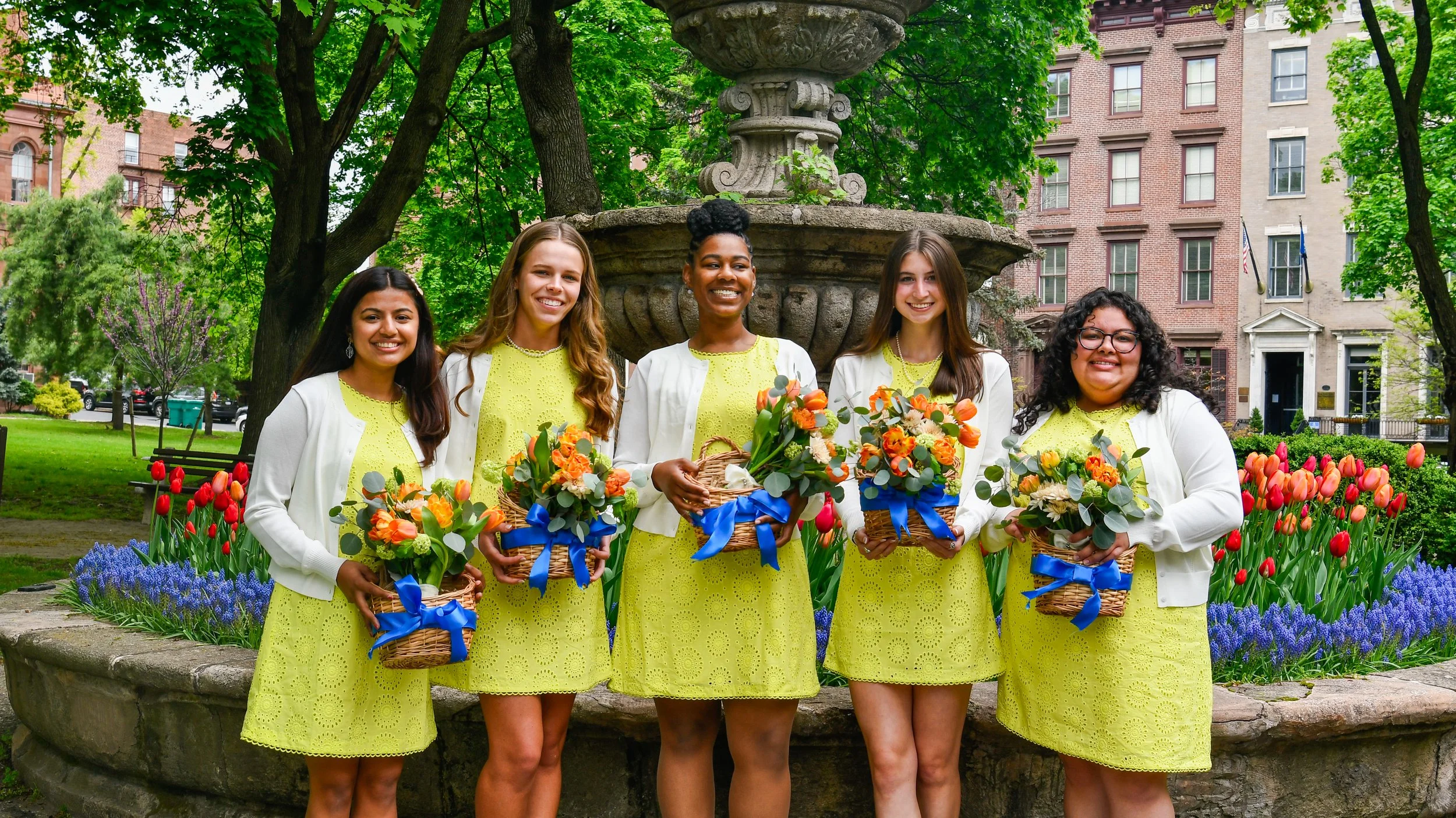
Each year, Albany’s Tulip Court is introduced to the public — but rather than relying on a basic portrait, I treat that moment as a creative opportunity.
This project uses visual storytelling to introduce the Tulip Court as part of Albany’s cultural fabric — tied to tradition, craft, and community.
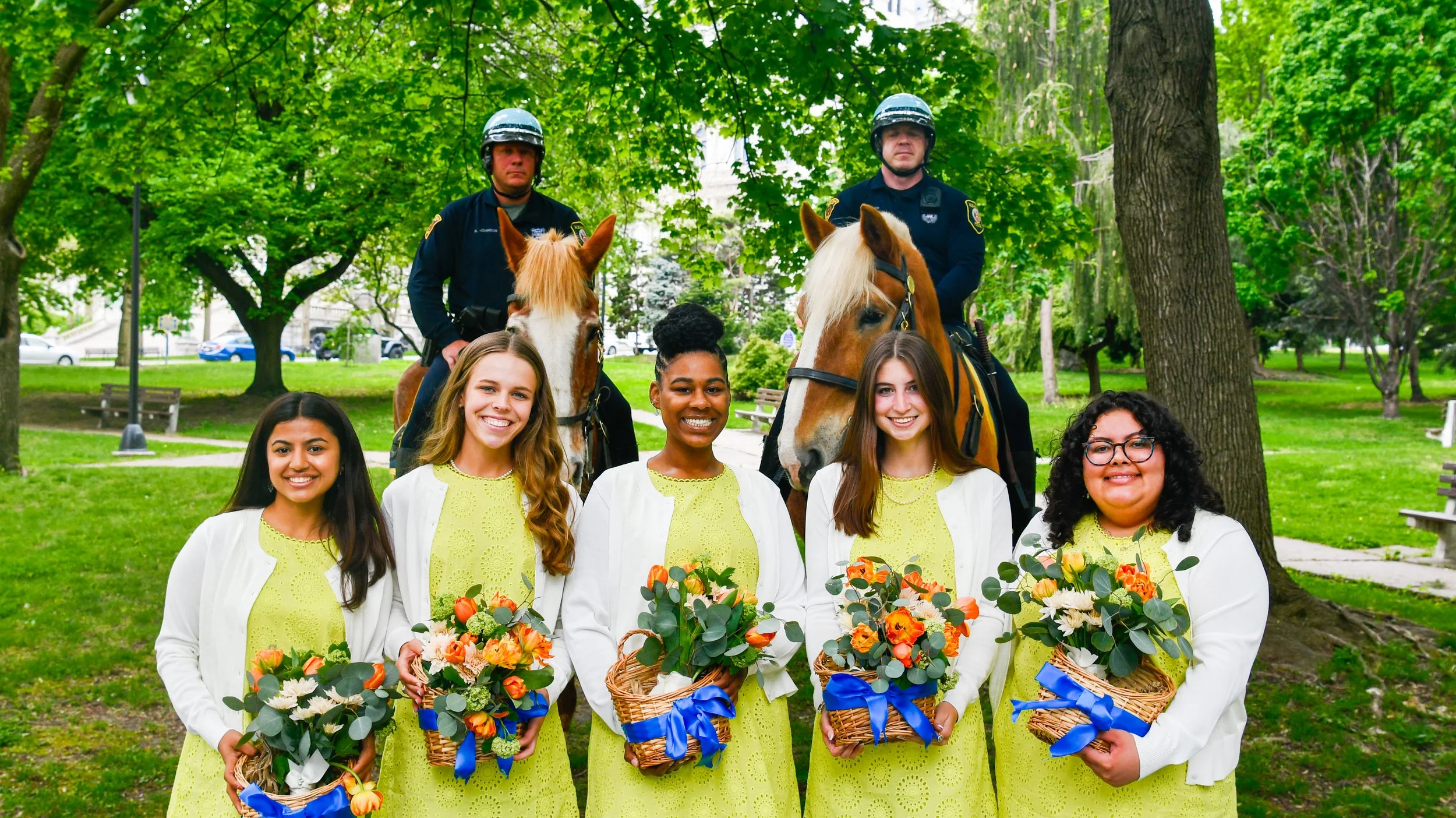
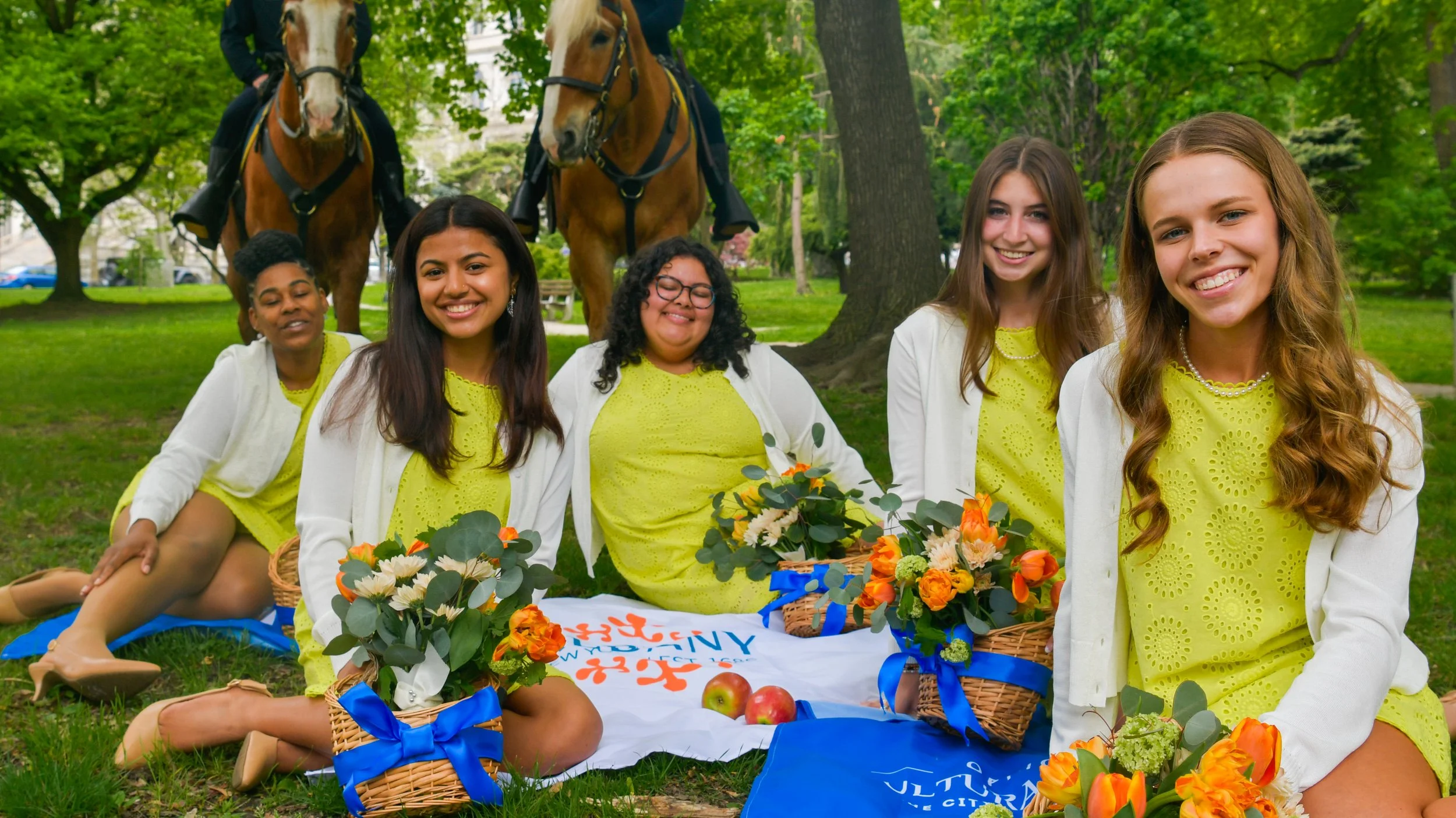
For this shoot, I designed a pastoral story grounded in Albany’s history but styled through a contemporary lens. Horses, fresh tulips, linen, and an intimate picnic setting echoed the elegance of the past while speaking to the present moment. The result felt lived-in, cinematic, and intentional — a quiet meeting place between heritage and now.
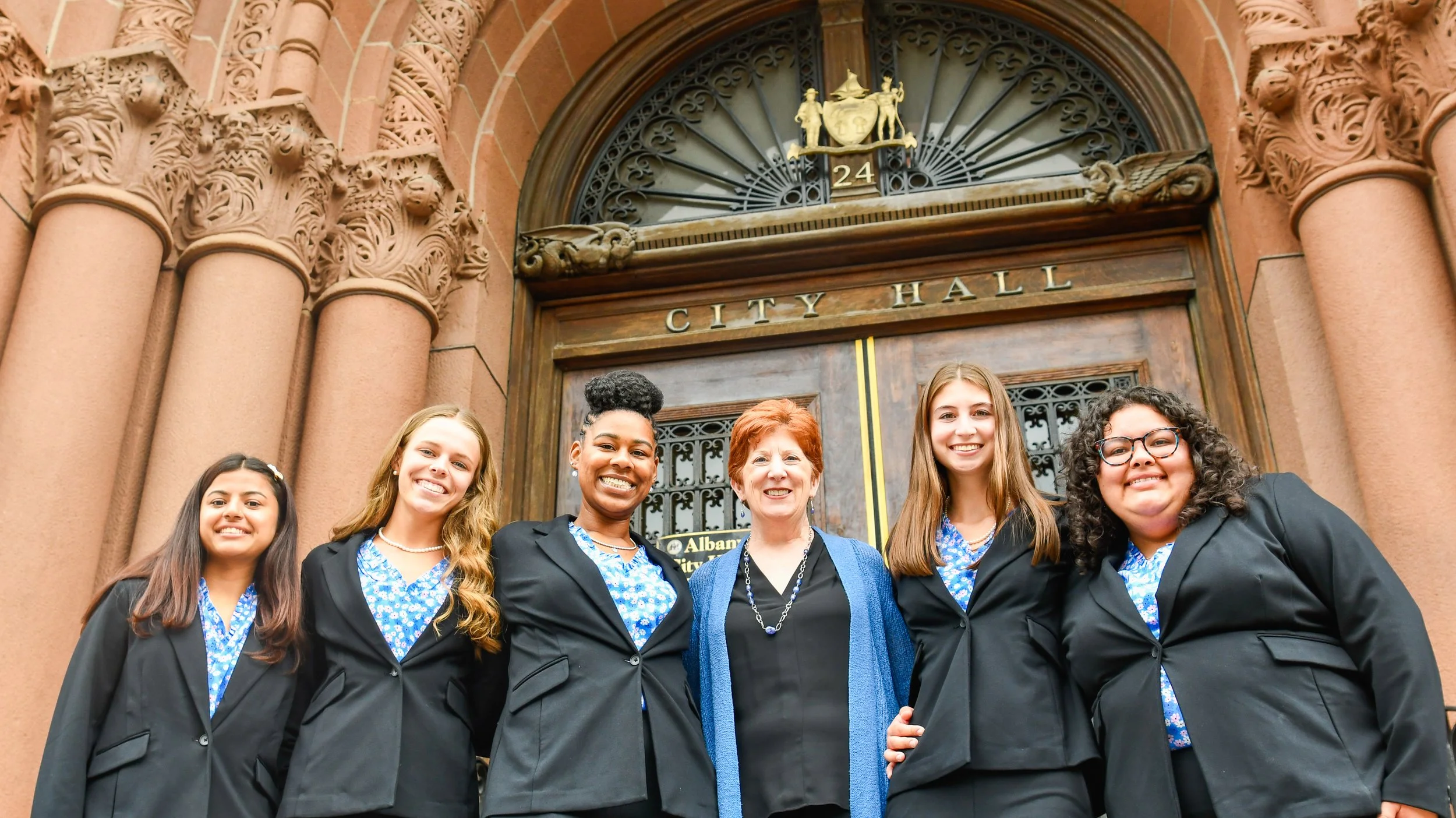
Meet the Court

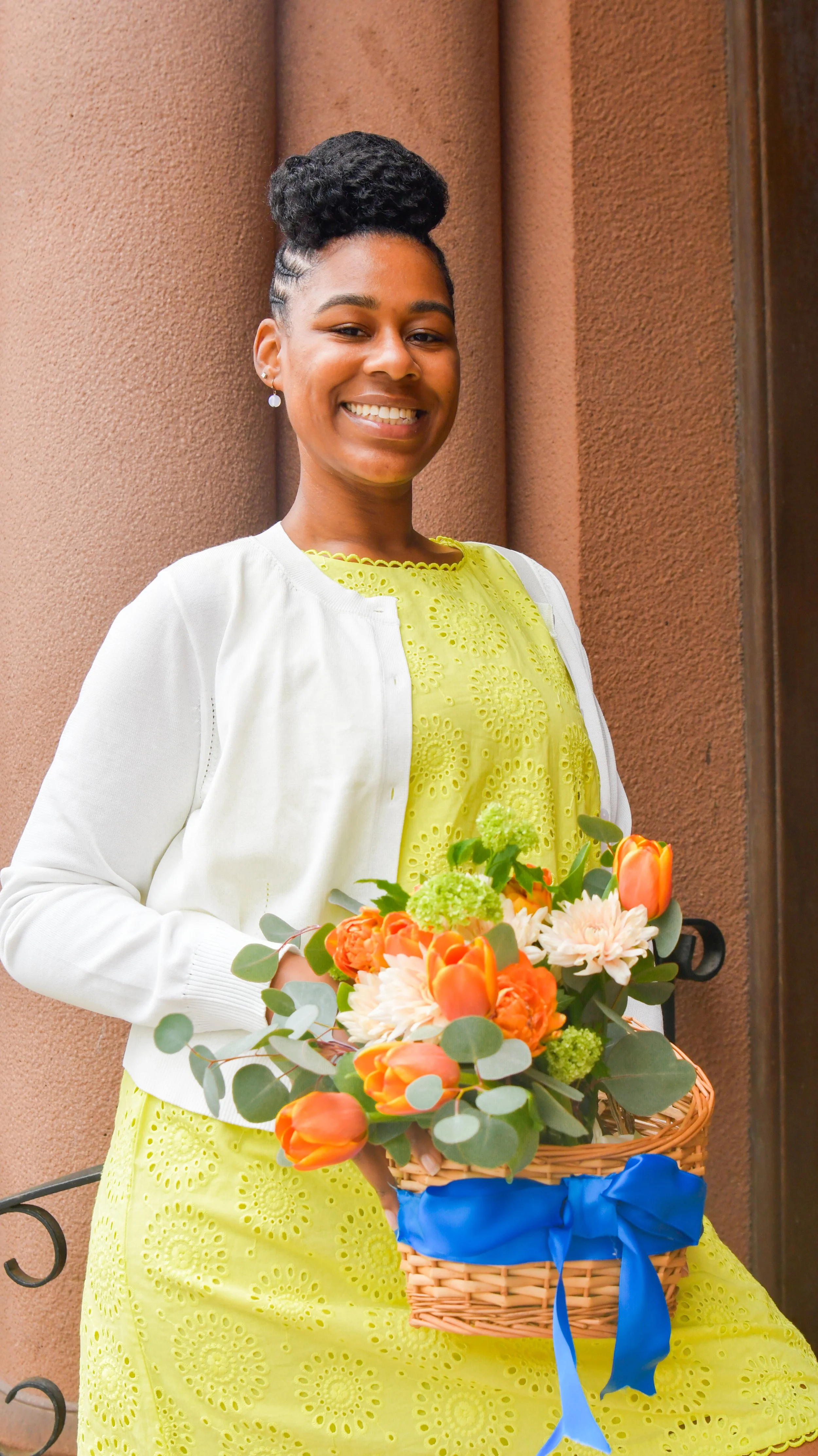
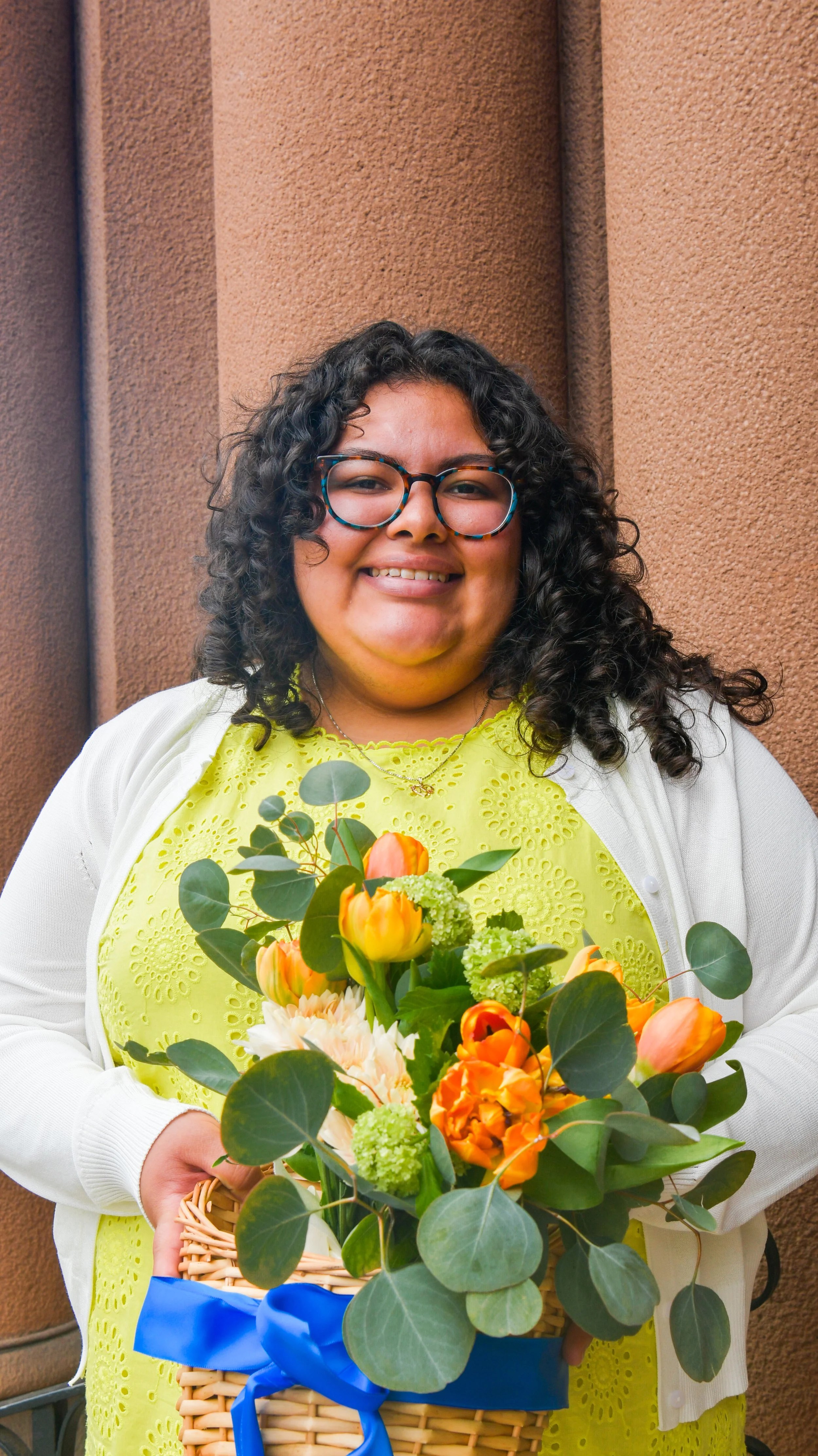
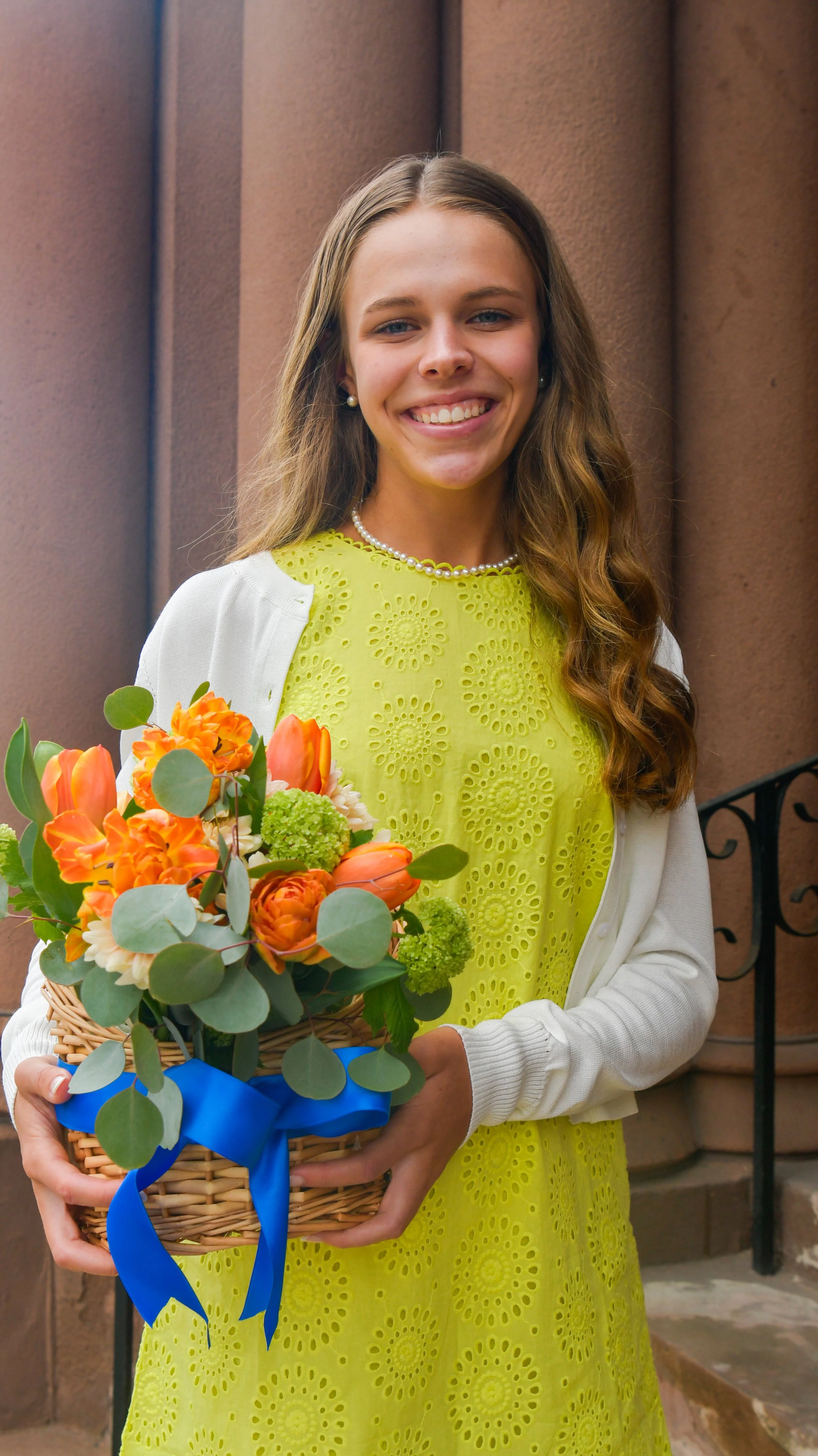
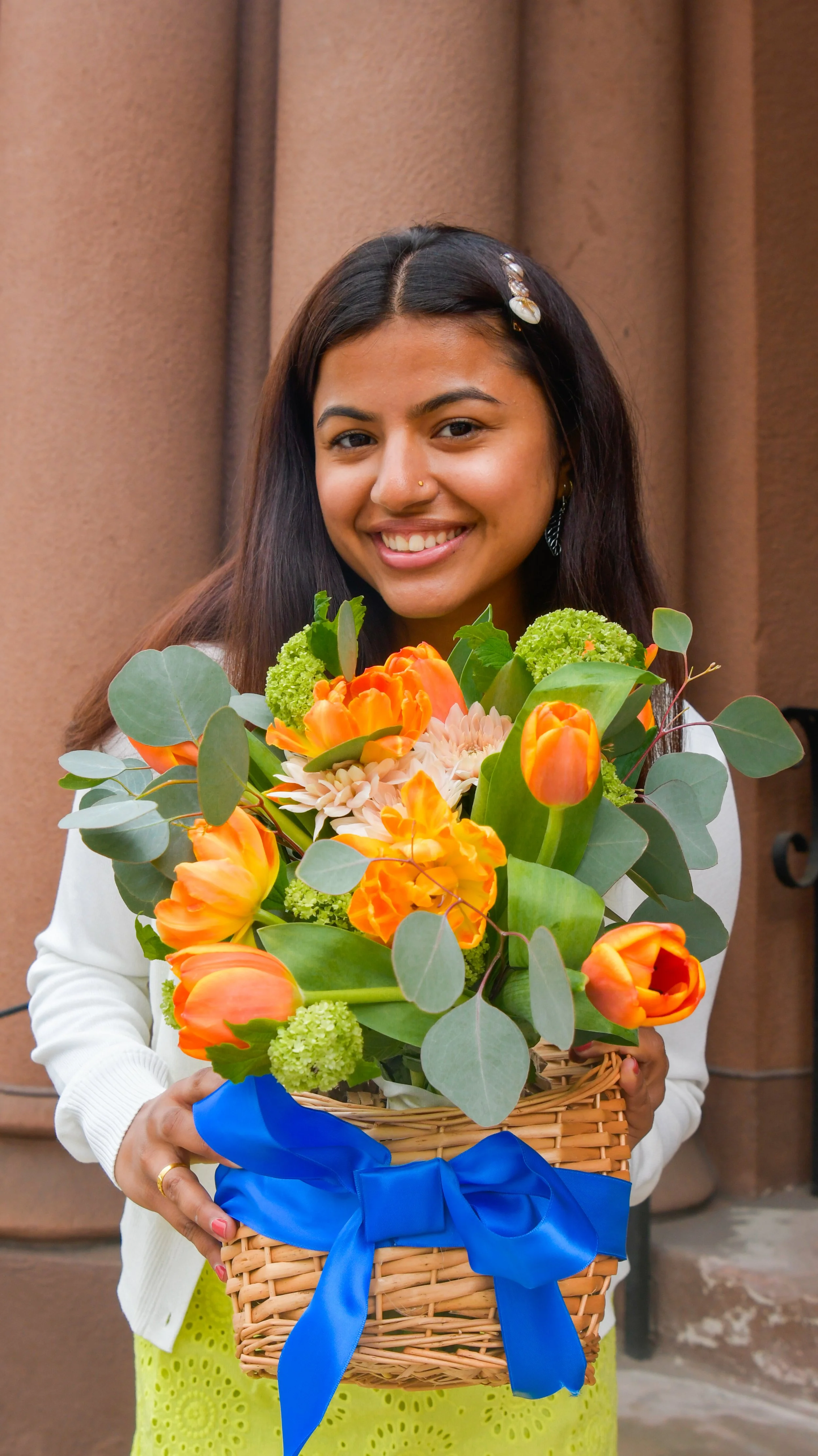
The concept.
Theme: Dutch Heritage
For 2024, the concept was built around place and memory — a pastoral story rooted in Albany’s history but styled through a contemporary lens. Horses, fresh tulips, linen, woven textures and an intimate picnic setting echoed the elegance of the past while speaking to the present moment.
The scene was intentionally designed to feel lived-in, tactile, and cinematic. Not staged pageantry. Not nostalgic recreation. But an interpretation — a quiet, thoughtful re-tying of tradition to now.
Bullet list of key visual elements:
Horses and pasture (heritage estate references)
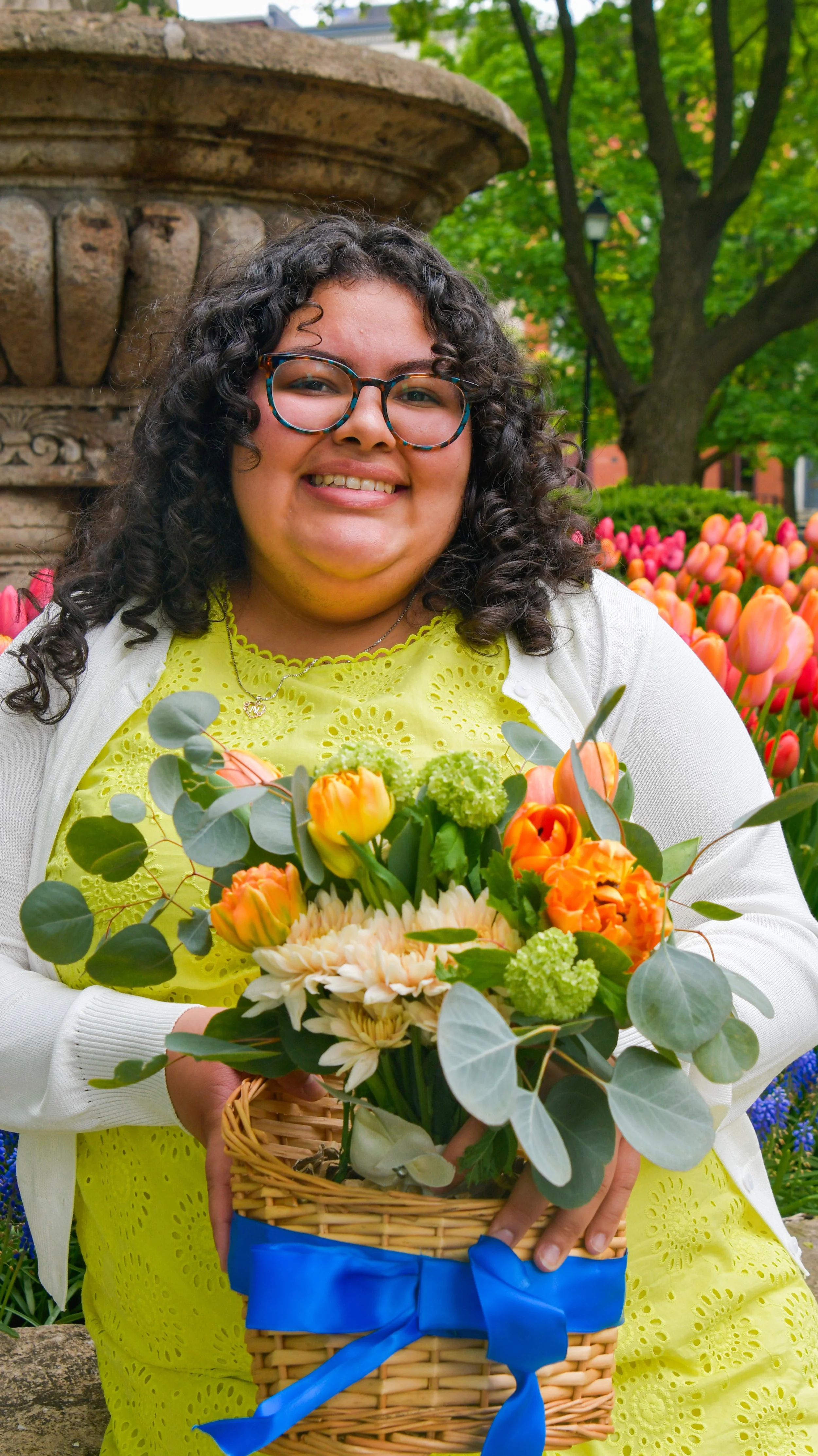
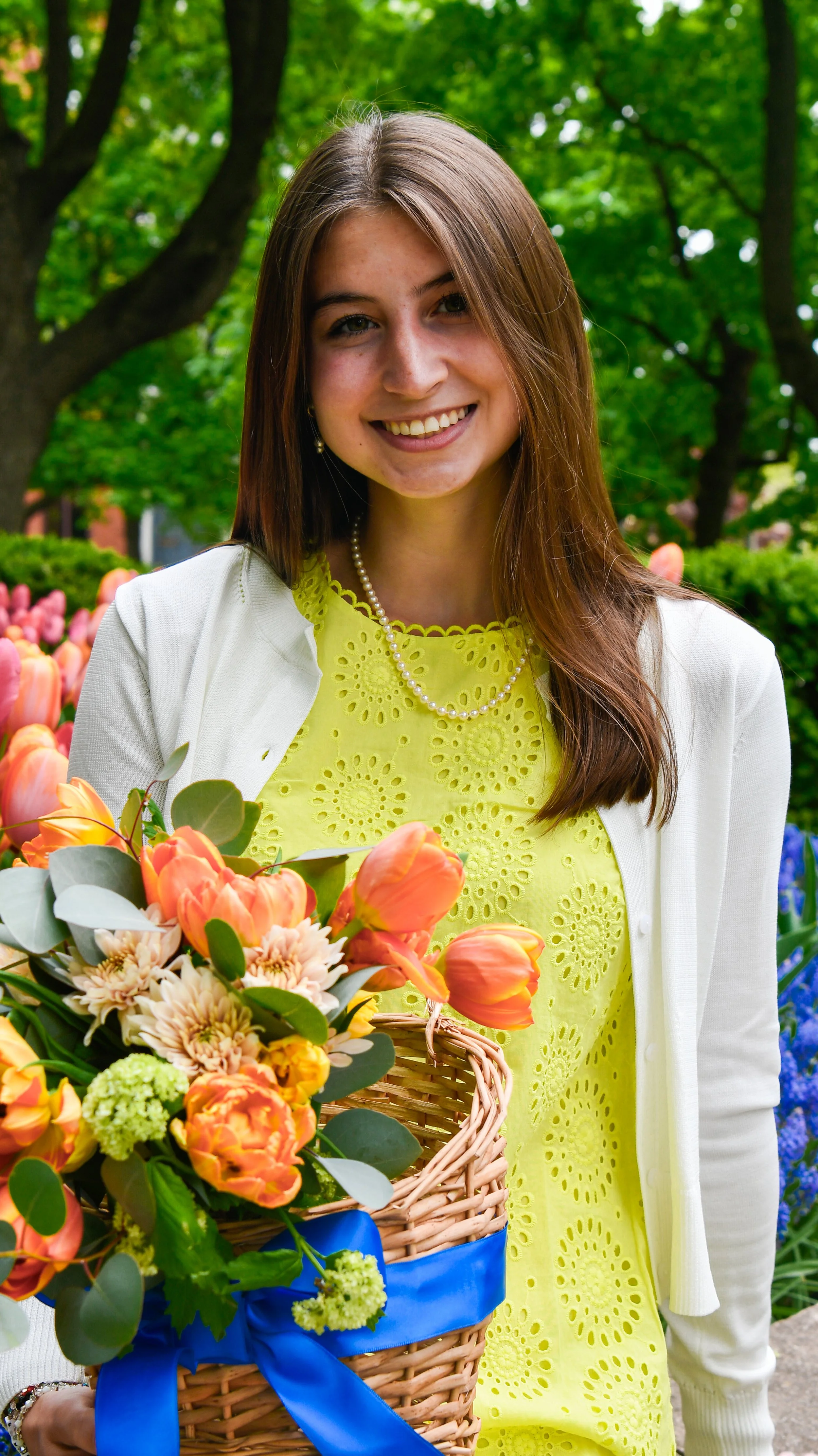
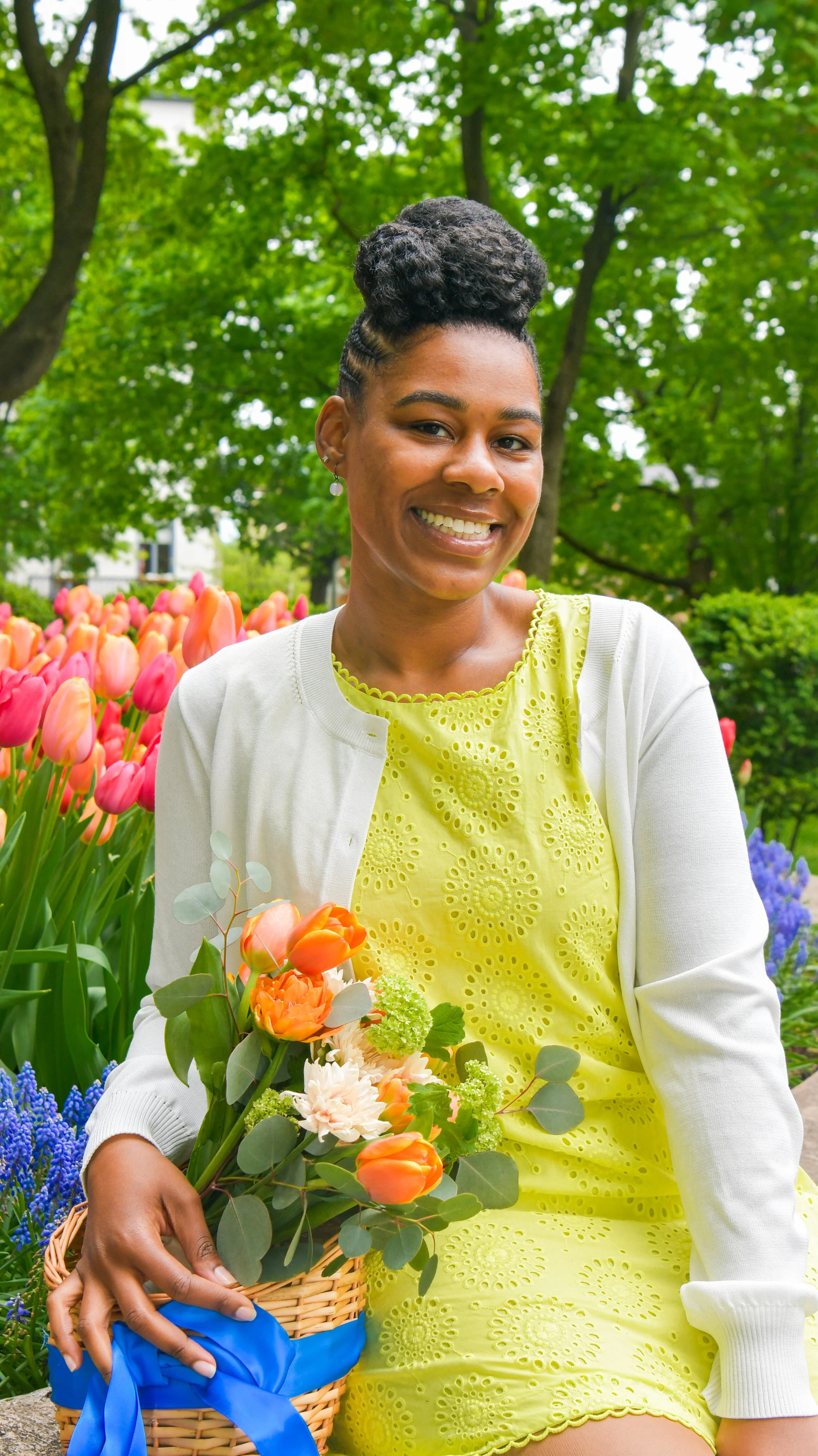
Fresh tulips tied to local tradition
Linen fabrics & woven textures (earth, softness, tactility)
Picnic basket & props (intimacy, timelessness, invite/casual)
Natural light & open-field backdrops (breath, space, openness)
Collaboration
This shoot was created in partnership with the Albany Police Department’s Mounted Unit and the City of Albany’s gardener. The horses offered a living link to Albany’s pastoral and civic history, while fresh tulips rooted the imagery in the landscape she tends each season.
I shaped the scene around both — softening these official elements through linen textures, open space, and an intimate picnic setting to create something grounded, human, and quietly contemporary.

Purpose.
This wasn’t just a pretty shoot. It solved several challenges at once:
It reframed the city’s heritage from “old memory” to “ongoing belonging.”
It offered a visual language that blends tradition with contemporary authenticity.
It provided the city — and residents — with a cultural moment they could share, photograph, and recognize.
It created shareable content for social media, public outreach, heritage communications.
In short — it turned history into living narrative.